How to Get What You Actually Want from Your Dental Lab
The framework top dentists use to eliminate surprises, reduce remakes, and finally get the outcomes they planned for.
Table of Contents ▼
A dental lab partnership is the ongoing collaborative relationship between a dentist and their laboratory that determines the quality, predictability, and efficiency of restorative outcomes. The most effective lab partnerships go far beyond simple send-and-receive transactions—they involve collaboration across treatment planning, design, and manufacturing. The Four Moments Framework provides a structure for dentists to evaluate and optimize each stage of this collaboration.
We've all been there.
That moment when you're seating a restoration and you realize something is… off. Maybe the shade is a fraction away from perfect, or the contacts feel just a little too tight. Suddenly, you're spending your valuable chairside time adjusting margins that should have been ready for cement the moment they arrived.
Or perhaps it's the bigger, more draining frustrations: the case that comes back from the lab looking nothing like the vision you had in your head. The treatment plans that stall because the lab simply couldn't execute your design. The remakes that don't just eat your margins—they eat your schedule and your peace of mind.
Here is what most dentists don't realize: in these moments, the problem usually isn't the lab's skill level. It's the very structure of the relationship itself.
Why the Traditional Dental Lab Model Fails Modern Clinicians
Most dentist-lab relationships operate on a simple, clinical transaction: you send the impressions or scans, and they send back the restorations.
Maybe you have a few back-and-forth conversations about shade or design. But fundamentally? You're operating in silos.
This model made perfect sense when dentistry was primarily analog. But today, digital workflows have unlocked possibilities that the traditional model simply wasn't built to handle. The reality is that most dentists are missing out on these opportunities entirely because they are stuck in an outdated communication loop.
What's Actually at Stake?
When lab partnerships underperform, the costs compound:
- Wasted chairside time: Spending your afternoon adjusting work that should have arrived ready to cement.
- The "Remake Trap": Cases that eat into your margins and—more importantly—disrupt your carefully planned schedule.
- Stalling case acceptance: Patients who can't say "yes" because they can't visualize the outcome.
- Accumulated stress: The frustration that builds, case after case, when the vision in your head doesn't match the reality in the box.
- Clinical compromises: Settling for outcomes that fall short of what you know is actually possible.
But here's the thing: it doesn't have to be this way.
The clinicians who consistently get world-class results from their labs aren't just "lucky" with the technicians they find. They aren't just sending better scans. They are operating with a completely different framework for collaboration.
"The problem isn't usually the lab's skill. It's the structure of the relationship itself." — Christian Coachman
The Four Moments Framework
Most dentists think of lab collaboration as a two-part, binary process: CAD (the design) and CAM (the manufacturing). You send the files, you get the restorations back. It sounds simple, doesn't it?
But in reality, this narrow view actually misses the two most transformative opportunities for partnership. It's exactly why so many clinicians feel underserved by their labs, even when they can't quite put their finger on why.
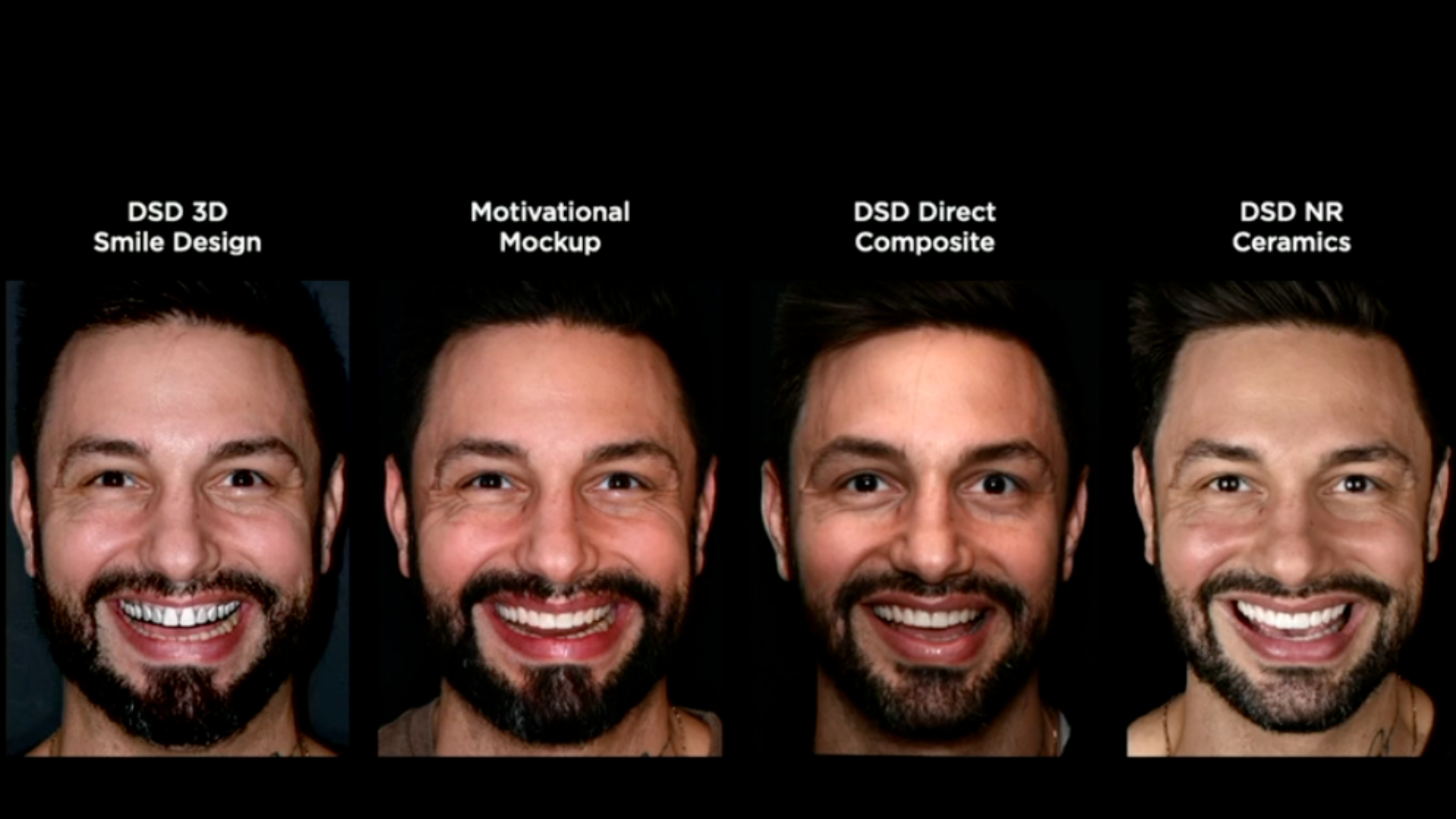
The Four Moments Framework I designed helps us to redefine how we think about the dentist-lab relationship. Instead of a single transaction, it identifies four distinct opportunities for collaboration.
Each 'moment' of collaboration needs a different type of expertise, a different set of conversations, and potentially different partners for each stage.
It's all about understanding which stage of collaboration you are actually in.
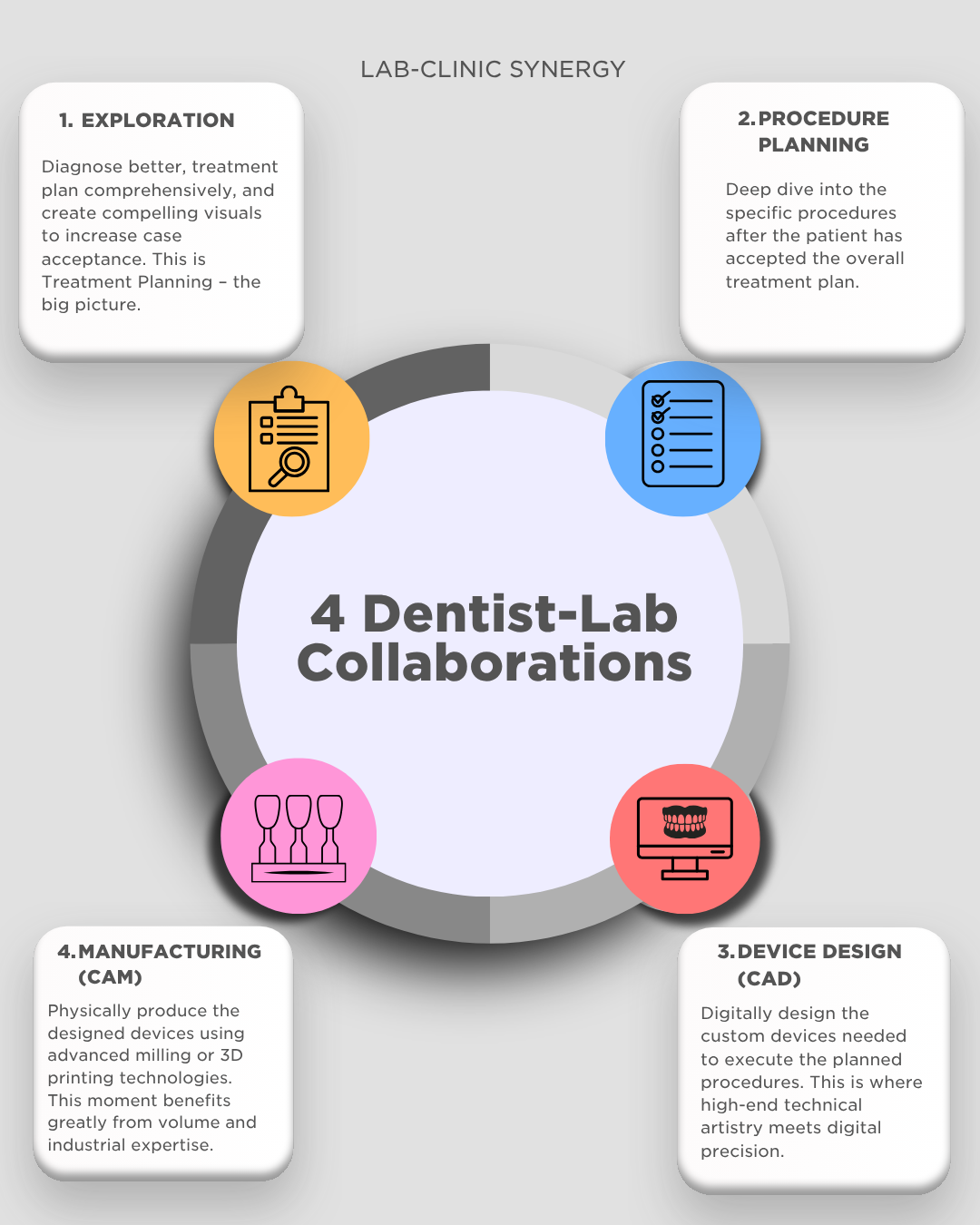
 Moment 1: Exploration
This is the moment that happens BEFORE the patient ever says "yes." It's the phase of diagnosis, simulation, treatment planning, and that all-important case presentation.
Think about it: this is where the final outcome is truly determined. This is where the "magic" happens. Yet, the traditional model ignores this entirely. Most labs wait on the sidelines until after the patient has already accepted treatment. By then, it's often too late to shape the plan effectively.
When you have a partner who supports you in this Exploration phase, the game changes. You are no longer just "selling" a crown; you are co-creating a vision.
With strong exploration support, you can:
- Simulate multiple treatment options digitally before you ever pick up a handpiece.
- Show your patients realistic visualizations that move them past the "logic trap" and straight into emotional case acceptance.
- Plan comprehensively across ortho, perio, and restorative in a single, unified digital environment.
- Identify potential clinical hurdles before they become expensive, mid-treatment mistakes.
 Moment 2: Procedure Planning
This happens AFTER case acceptance. It's the deep-dive planning for specific procedures like ortho, surgery, or restorative work.
This is where your orthodontic partner needs to understand aligner biomechanics at the movement-by-movement level, where your surgical partner needs to plan implants millimetrically, and where your restorative partner needs to translate diagnostic designs into prep guides.
Ask yourself a key question: Do your procedure planners have specialized expertise, or are you relying on generalists?
 Moment 3: Device Design
This is traditional CAD—designing the actual devices based on the procedure plan.
Even here, though, there is a spectrum of capability. For example, can your lab copy-paste from approved provisionals to final designs? Do they use natural libraries for realistic morphology? Do they integrate facial reference into restoration design?
 Moment 4: Manufacturing
This is traditional CAM—the machinery know-how to produce devices with precision and consistency.
This is where most dentist-lab conversations begin and end. And while this phase absolutely matters for consistent quality, reliable turnaround, and minimal chairside adjustment, if this is ALL you're getting from your lab relationships, you're missing 50% of the opportunity.
How to Achieve Clinical Predictability with a Digital Dental Lab Workflow
Digital workflows have fundamentally changed what's possible in dentist-lab collaboration. But most practices are still operating with analog mindsets—and leaving massive value on the table.
The Copy-Paste Revolution
Here is a question that reveals everything about your current workflow: When your patient approves their provisional restorations, how confident are you that the finals will match exactly?
In the traditional model, provisionals and finals are essentially separate projects. You approve a provisional, then you simply hope the final comes back looking similar. When it doesn't, you're forced to adjust. Or remake. Or, unfortunately, compromise.
The concept of ‘copy paste’ together with ‘guided dentistry’ is the result of a series of steps and workflows that allow us to gain the control and predictability we want in our cases and use digital quality control to verify that we have achieved what we expected.
Copy-Paste Dentistry: The concept of ‘copy paste’ together with ‘guided dentistry’ is the result of a series of steps and workflows that allow us to gain the control and predictability we want in our cases and use digital quality control to verify that we have achieved what we expected.
Why This Matters More Than You Think
Copy-paste isn't just about convenience. It's about compounding certainty throughout the case:
- Patient expectations are set by what they actually saw and approved
- Clinical decisions are validated before irreversible steps
- Lab work arrives matching what was already tested in the mouth
- Chairside time drops dramatically when adjustments aren't needed
- Remakes become rare exceptions instead of regular frustrations
The Digital Prerequisite
Copy-paste workflows require digital infrastructure. You need:
- Intraoral scanning capability (the foundation of digital communication)
- A lab partner that can work from your digital files seamlessly
- Design software that preserves approved designs through the manufacturing process
- Clear approval workflows before irreversible steps
If any link in this chain is analog, the copy-paste promise breaks down. Your provisionals become suggestions rather than templates.
The Predictability Dividend
When you achieve true predictability in your lab workflow, everything changes:
- Treatment planning becomes more confident because you can visualize and validate outcomes
- Case presentations become more compelling because patients see realistic previews
- Clinical time becomes more productive because you're not adjusting lab work
- Patient satisfaction increases because expectations align with results
- Profitability improves because remakes and adjustments disappear
This isn't aspirational. It's what dentists experience when they get the Four Moments right.
Here’s What Your Dental Lab Wishes They Could Tell You
Lab technicians talk among themselves. If you could hear those conversations, you'd discover that the dentists who get the best results aren't just skilled clinicians, they're skilled partners.
Here are a few things that labs wish more dentists understood:
1. Communication Is a Two-Way Investment
The quality of what comes back from the lab is directly proportional to the quality of what you send. This seems obvious, but most dentists underinvest in communication and then blame the lab when results disappoint.
Great lab communication includes:
- Comprehensive photos (not just the prep—face, smile, adjacent teeth, occlusion)
- Clear written instructions (don't assume they know what you want)
- Shade information in multiple lighting conditions
- Context about the patient and their expectations
- Honest feedback when something doesn't work
2. Feedback Closes the Loop
Most dentists don't realize that technicians often have no idea if their work succeeded. The case ships, and then… it's silence. Did it fit? Did the patient love it? Was the shade right?
When you take 30 seconds to send a quick message, just something as simple this:
"Case seated perfectly, patient thrilled"
you accomplish several things:
- You reinforce what the technician did right
- You build a relationship that goes beyond transactions
- You move up the lab's priority list for future cases
- You create a feedback loop that improves future work
And conversely, when something doesn't work, constructive feedback helps the technician learn and adjust. Without it, they're likely to repeat the same approach.
Send a 30-second feedback message after every case seats—even just "Case seated perfectly, patient thrilled." This simple habit builds priority status with your lab and creates a feedback loop that improves every future case.
3. Labs Have Specialties Too
Not all labs excel at everything. Some are exceptional at anterior esthetics but average at implant work. Some have world-class orthodontic planning but outsource their milling. Some are great at manufacturing but don't offer any planning support.
When you understand your lab's genuine strengths and limitations you can set appropriate expectations and potentially diversify your lab relationships for different case types.
4. Become a Top-5% Client
Labs have favorite clients. These aren't necessarily the highest-volume clients, they're the clients who make the technician's job easier and more rewarding.
Top-5% clients:
- Send complete information the first time
- Communicate respectfully and clearly
- Provide feedback (positive and constructive)
- Pay on time
- Appreciate good work
When you become a top-5% client, you get prioritized when the lab is busy, you get their best technician on your cases, you get the benefit of the doubt when something's ambiguous. This isn't unfair—it's human nature.
"The dentists who get the best results aren't just skilled clinicians—they're skilled partners."
What Clinicians Should Expect: The New Standards in Lab Collaboration
What should you actually expect from a lab partnership in 2026? The answer has shifted dramatically in recent years but many dentists are still operating with outdated expectations.
What's Now Table Stakes
These are no longer differentiators—they're minimum requirements:
- Digital file acceptance (if your lab can't work from scans, they're behind)
- Reliable turnaround times with clear communication about delays
- Consistent quality case after case (not occasional excellence)
- Digital design review before manufacturing
- Transparent pricing without hidden fees
What Separates Good from Great?
Great lab partnerships offer:
- Proactive communication when they spot potential issues
- Exploration support (Moment 1)—not just execution
- Specialized expertise for different procedure types
- True copy-paste workflows from approved designs
- Facial integration in restoration design
- Collaborative problem-solving, not just order-taking
What's Unacceptable (But Still Common)?
If you're experiencing any of these regularly, your partnership is underperforming:
- Finals that look nothing like approved provisionals
- Consistent need for chairside adjustment
- Defensive responses when you provide feedback
- Surprise charges or unclear pricing
- Radio silence during case processing
- Blaming you for outcomes that fall short
The Two-Way Street: Defining Accountability in the Lab Partnership
Here's the uncomfortable truth: great lab partnerships require accountability on both sides.
| Your lab is accountable for | You are accountable for |
|---|---|
| Delivering what was agreed upon | Providing complete, accurate information |
| Communicating proactively about issues | Clear communication about expectations |
| Continuous improvement based on feedback | Timely feedback on delivered work |
| Honest assessment of their capabilities | Respecting the expertise you’re paying for |
When both sides uphold their end, your partnership will thrive. When either side drops the ball, outcomes will suffer.
Building Your Dream Team
The Four Moments Framework suggests a question that might feel a little uncomfortable at first: Should you have different partners for different moments?
The traditional mindset tells us to find one "great lab" and send them everything. We are taught that loyalty is rewarded and that keeping everything in one place is the best way to maintain a relationship.
But the Four Moments mindset offers a different perspective: match the expertise to the task. The reality is that your Moment 1 partner—who needs to be a big-picture, interdisciplinary treatment planner—might be entirely different from your Moment 4 partner.
Making this distinction isn't disloyalty; it's optimization. In the modern world, being an effective digital dentist means understanding that the address of your lab doesn't matter anymore. What matters is ensuring you have the right specialist in your corner for each specific moment of the journey.
The 'Bigger Is Better' Reframe
When it comes to lab partnerships, many dentists default to 'bigger is better.' Large labs have more resources, more equipment, more redundancy.
But size isn't the right question. The right questions are:
- Does this partner have genuine expertise for THIS moment?
- Can they deliver consistently, not just occasionally?
- Do they communicate proactively and honestly?
- Do their capabilities match your clinical needs?
- Is the relationship truly collaborative, or purely transactional?
Evaluating Partners for Each Moment
Here's what to look for at each stage:
For Moment 1 (Exploration) partners:
- Comprehensive treatment planning capabilities
- Multi-specialty simulation in unified software
- Facially-driven and functionally-driven planning expertise
- Case presentation visuals that increase acceptance
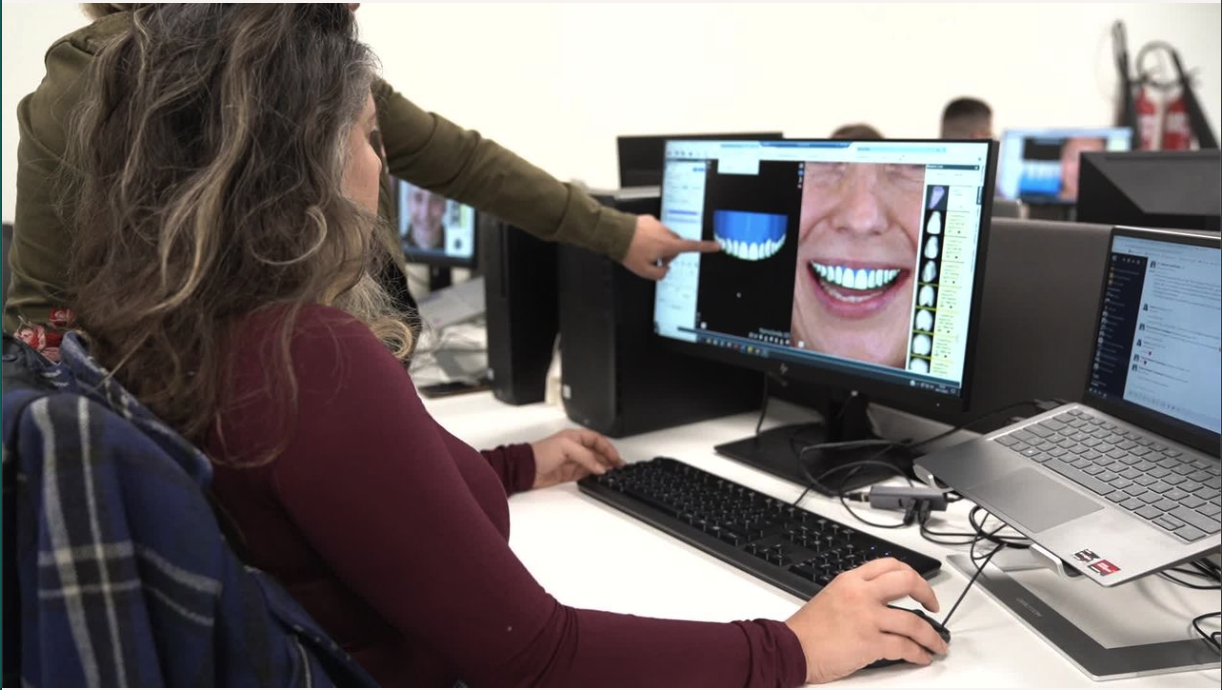
For Moment 2-3 (Procedure Planning & Device Design) partners:
- Specialized expertise per procedure type
- Seamless file integration from exploration phase
- True copy-paste capability from provisionals to finals
- Digital approval workflows before manufacturing
For Moment 4 (Manufacturing) partners:
- Consistent quality across cases
- Reliable turnaround with clear communication
- Minimal chairside adjustment required
- Current technology with redundancy
The Loyalty Question
Maybe you've worked with the same lab for years. They know your preferences, the communication is easy, and the relationship is comfortable.
The Four Moments Framework doesn't require you to abandon these relationships. Instead, it asks you to honestly—and clinically—assess them:
- Which moments does your current lab excel at?
- Which moments are they mediocre at—or don't offer at all?
- Is loyalty serving you, or limiting you?
- Could your current lab grow into new moments with the right conversation?
Sometimes the answer is to have a direct conversation with your existing lab about expanding capabilities. Sometimes the answer is to add complementary partners for specific moments. And sometimes the answer is to make a change.
How DSD Lab Approaches All Four Moments
DSD Lab was built around the Four Moments Framework from the beginning. Unlike traditional labs that evolved from manufacturing into digital services, we started with the complete picture of modern dentist-lab collaboration.
What this means in practice at DSD Lab
Moment 1: Exploration That Changes Cases
We don't wait until after case acceptance to get involved. Our exploration services help you:
- Visualize treatment options before committing to a path
- Simulate outcomes across multiple specialties in one environment
- Create case presentation materials that increase acceptance
- Plan comprehensively with facial and functional integration
Moment 2-3: Specialized Planning and Design
Our procedure planning team includes specialists for orthodontics, surgery, and restorative work—not generalists trying to do everything. And our design workflow ensures that approved plans translate precisely into manufactured devices.
Moment 4: Manufacturing That Delivers
Our manufacturing operation delivers consistent quality with reliable turnaround. We invest in current technology with redundancy, and our quality control processes ensure that what ships matches what was approved.
The Integration Advantage
The real advantage isn't any single moment—it's the integration between them. When the same team handles exploration through manufacturing, there's no translation loss. Your diagnostic design flows seamlessly into procedure planning into device design into production.
This integration is what makes true copy-paste dentistry possible. What you approve at Moment 1 is what arrives at Moment 4.
Transparent Partnership
We believe in transparency at every level:
- Pricing is clear and published—no surprises
- Communication is proactive—we tell you what's happening
- Feedback is welcomed—we want to improve
- Capabilities are honest—we'll tell you when something isn't our strength
Your Next Steps
You've learned the Four Moments Framework. You understand what's possible when lab partnerships work well. Now what?
1. Start with Assessment
Before making any changes, you need clarity on where you stand. Our free guide contains a quick assessment to help you identify any current gaps and work out your next steps.
You'll discover:
- Which moments are well-served by your current partners
- Which moments have significant gaps
- Where your biggest opportunities for improvement lie
- What questions to ask your current partners
2. Explore the Possibilities
If you're curious about what optimized lab partnerships could look like for your practice, we're happy to have a conversation.
A consultation call is not a sales pitch. It's an opportunity to:
- Discuss your specific case mix and workflow needs
- Understand which services might fit your practice
- Get honest answers about whether DSD Lab is right for you
- Ask questions about pricing, turnaround, or capabilities
No pressure, just clarity. Discuss your needs with our team.
Schedule Your Call →Frequently Asked Questions About Dental Lab Partnerships
What is the Four Moments Framework for dental lab collaboration?
The Four Moments Framework is a collaboration model developed by Christian Coachman that redefines the dentist-lab relationship into four distinct partnership opportunities: Exploration (pre-case-acceptance planning and simulation), Procedure Planning (post-acceptance deep-dive planning), Device Design (traditional CAD), and Manufacturing (traditional CAM). Most dentist-lab relationships only cover the final two moments, missing 50% of the collaboration opportunity.
What is copy-paste dentistry and how does it improve lab results?
Copy-paste dentistry is a digital workflow approach where the patient-approved provisional design becomes the template for the final restoration. Unlike traditional workflows where provisionals and finals are separate projects, copy-paste dentistry eliminates interpretation and guesswork—ensuring what was tested and approved in the mouth is what arrives from the lab.
How do I know if my dental lab partnership is underperforming?
Common signs of an underperforming lab partnership include finals that look nothing like approved provisionals, consistent need for chairside adjustment, defensive responses when you provide feedback, surprise charges or unclear pricing, radio silence during case processing, and being blamed for outcomes that fall short.
Should I use different dental labs for different types of work?
The Four Moments Framework suggests matching specialized expertise to each collaboration stage, which may mean working with different partners for different moments. Your Moment 1 partner (big-picture treatment planner) might be entirely different from your Moment 4 partner (manufacturing specialist). This isn't disloyalty—it's optimization.
What should I expect from a dental lab partnership in 2026?
Table-stakes expectations now include digital file acceptance, reliable turnaround with clear communication, consistent quality, digital design review before manufacturing, and transparent pricing. Great labs go further with proactive communication, Exploration support (Moment 1), specialized expertise, true copy-paste workflows, and collaborative problem-solving.
Continue Learning
What are the biggest problems dentists face with dental labs?
Christian Coachman shares five common dental lab problems and how to navigate them.
Read more →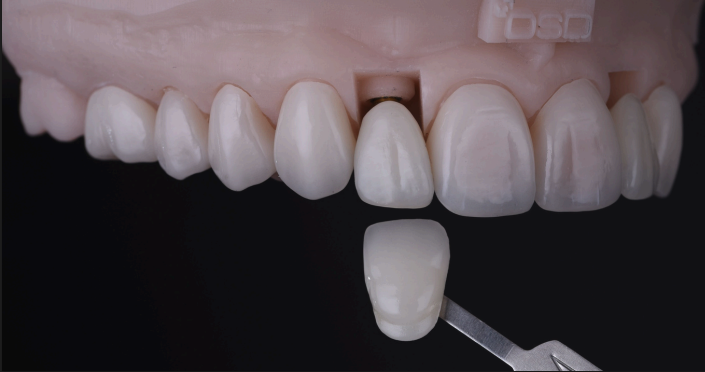
Getting the most out of your dental lab
Practical checklists and frameworks to transform your lab relationships.
Download now →
The Saliva Revolution: Making the Invisible Visible
How a 5-minute chairside test is changing the way modern dentists diagnose, communicate, and build trust.
Read more →Ready to Transform Your Lab Partnership?
Start with our free guide—assess your current lab relationships and discover where your biggest opportunities lie.
Download the Free Guide →