
The Saliva Revolution: Making the Invisible Visible
How a 5-minute chairside test is changing the way modern dentists screen, communicate, and build trust — with technology that pays for itself.

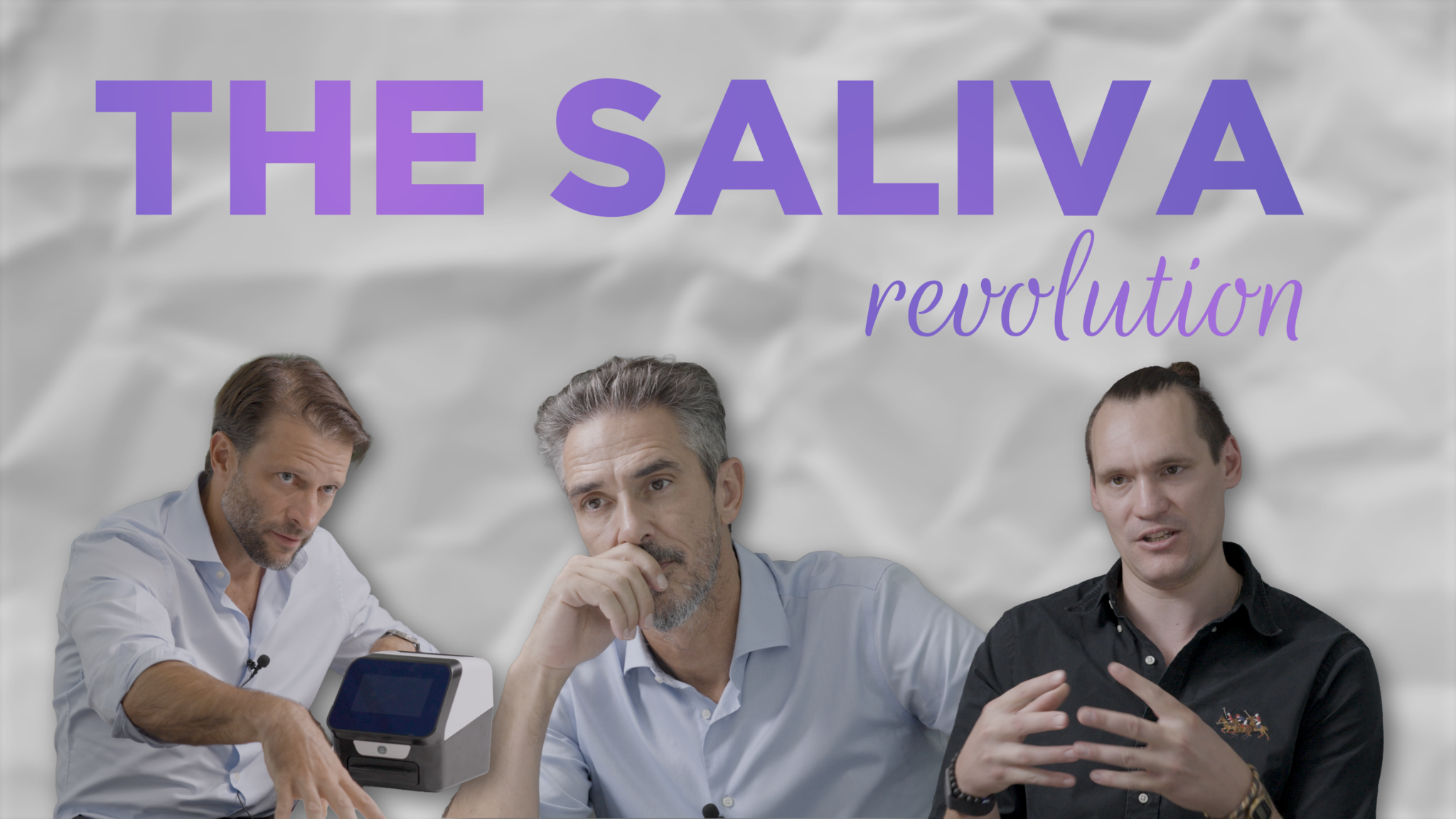
Watch the teaser: Christian Coachman, Dr. Miguel Stanley, and Michael Lazzara on the future of chairside screening.
Table of Contents ▼
- The Clinical Gap Nobody Talks About
- What aMMP-8 Is and Why It Changes Everything
- Why Every Implant Surgeon Should Measure Vitamin D
- How This Integrates in Under 5 Minutes
- From Persuasion to Partnership
- The Investment, the ROI, and the Business Case
- Case Study: Dentoral Clinic
- Frequently Asked Questions
Chairside saliva testing is a point-of-care screening method that uses biomarkers in saliva — primarily aMMP-8 (active matrix metalloproteinase-8) — to detect active tissue degradation in the mouth before clinical signs become visible. A 5-minute test performed by a dental assistant produces a color-coded score that reveals whether a patient's immune system is actively breaking down oral tissues, providing molecular-level clinical data that X-rays and probing alone cannot capture. This page covers the science behind saliva screening, a proven clinical workflow, the impact on patient trust and case acceptance, and the business case for an investment that pays for itself.
The Clinical Gap Nobody Talks About
The clinical gap in dentistry refers to the disconnect between the molecular-level biomarker testing available in general medicine and the clinical-observation-only tools still standard in most dental practices. For fifty years, the clinical toolkit in a dental practice has remained essentially unchanged. We probe. We take X-rays. We look for clinical signs of disease that are already visible.
In that same period, medicine has undergone a screening revolution. Physicians now use molecular-level biomarkers and point-of-care testing to identify disease markers before symptoms appear. A patient walks into a doctor's office and leaves with more data about their health than a dental patient receives in a year of appointments.
Dr. Miguel Stanley puts it bluntly: somewhere along the way, dentistry forgot the doctor part.
"An orthopedic surgeon gets blood tests before operating. Dentists don't. And we're operating on a skull."
The result is a clinical gap that has real consequences for your patients and your practice:
- Patients sitting in your chair right now with active tissue destruction that your probe and X-rays cannot detect
- Clinical signs that mislead: bleeding doesn't always mean tissue degradation is high, and the absence of bleeding doesn't mean it's low
- Treatment recommendations based on clinical observation alone, without the molecular-level data that would make them precise
- Patient conversations that rely on persuasion rather than shared, objective evidence
This isn't a criticism of how any individual practitioner works. It's a structural limitation of the tools the profession has relied on. And for the first time, that limitation has a practical, affordable, chairside solution.
It starts with saliva.
What aMMP-8 Is and Why It Changes Everything
Saliva is a window into tissue health. It contains biomarkers that reflect what's happening at the tissue level throughout the oral cavity — not just what's visible to the eye or reachable by a probe.
The key biomarker is called aMMP-8 (matrix metalloproteinase-8). Michael Lazzara, who has spent 35 years researching the immune response mechanisms behind periodontal disease, describes it as the body's own signal that tissue breakdown is actively occurring.
Here's why this matters more than bacterial testing:
Traditional approaches focus on identifying which bacteria are present in the mouth. But as Lazzara explains, what actually causes tissue destruction isn't the bacteria themselves — it's your body's immune response to those bacteria. Think of aMMP-8 as molecular scissors: enzymes released by the immune system that break down the collagen matrix holding your tissues together.
aMMP-8 (active Matrix Metalloproteinase-8) — Enzymes released by the immune system that break down the collagen matrix holding oral tissues together. Often described as "molecular scissors," aMMP-8 is the key biomarker measured in chairside saliva testing to detect active tissue degradation before clinical signs appear.
"It doesn't even actually matter about the bacteria. What matters is what your body is doing in response."
A chairside saliva test measures aMMP-8 levels and returns a simple, color-coded score:
| Score Range | What It Means | Clinical Implication |
|---|---|---|
| Under 10 | Low tissue degradation activity | Healthy baseline. Maintenance protocol. Objective confirmation of tissue health. |
| 10–20 | Moderate activity — early warning | Tissue breakdown occurring before clinical signs may be visible. Intervention window. |
| Over 20 | High active tissue degradation | Significant immune response. Immediate clinical attention. Even if no visible bleeding. |
The test comes in two forms: a general oral fitness test (overall aMMP-8 level from a saliva sample) and a site-specific test (localized measurement at specific sites using sulcular fluid). Both produce results chairside in minutes.
The science is a focal point of recent European Federation of Periodontology workshops and is backed by over 35 years of peer-reviewed research. This isn't experimental. It's the same generational clinical leap that X-rays represented when they first entered dentistry.
You can have bleeding with low tissue degradation, and you can have no bleeding with high tissue degradation. Clinical signs and molecular reality don't always match. Without aMMP-8 data, you're making treatment decisions with an incomplete picture.
Why Every Implant Surgeon Should Be Measuring Vitamin D
Chairside screening doesn't stop at periodontal biomarkers. Vitamin D is a master biomodulator for bone remodeling that directly affects implant osseointegration, bone graft success, and extraction site healing — and 45% of Europeans are deficient.
Dr. Miguel Stanley has integrated vitamin D testing into every first appointment at his White Clinic in Lisbon — and the clinical reasoning is hard to argue with. Combined with K2, vitamin D governs the biological mechanisms that determine whether bone grafts integrate, implants osseointegrate, and extraction sites heal properly.
The numbers are sobering: a 2022 study documented approximately 80,000 failed implants in Germany alone. How many of those patients had undiagnosed vitamin D deficiency going into surgery?
"An orthopedic surgeon would never operate without blood work. We're doing the equivalent of bone surgery in the skull without checking the most basic biomarker for bone health."
Miguel shares a patient story that illustrates the cascade effect:
A patient came in with vitamin D levels at 2 — profoundly deficient. They supplemented before surgery, achieved successful outcomes, and the patient was so impressed by the thoroughness of the clinical approach that they referred multiple family members and colleagues. One test. One conversation. A cascade of referrals — not because of marketing, but because of care.
Beyond clinical outcomes, there's a legal protection angle: documenting pre-surgical vitamin D levels creates a defensible clinical record. If a case doesn't go as planned, you've demonstrated that you assessed and addressed modifiable risk factors before proceeding.
The chairside vitamin D test takes minutes and costs a fraction of what a failed implant costs — in clinical time, in materials, in patient trust, and in reputation.
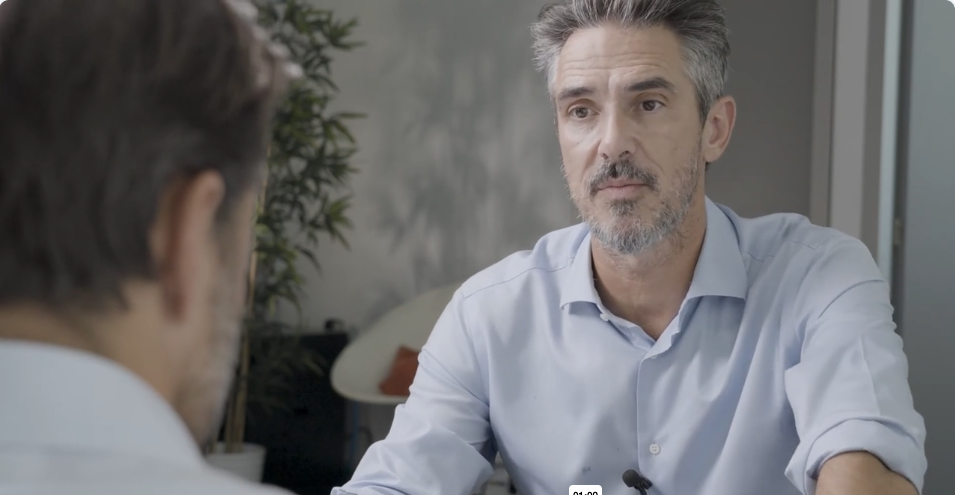
Dr Miguel Stanley explains how this works in practice at White Clinic
How Miguel's Team Integrates This in Under 5 Minutes
The most common objection to adding anything new to a clinical workflow is time. So let's address that directly: the doctor doesn't run this test. The dental assistant does. Before the doctor even walks in the room.
At Miguel's White Clinic, chairside screening is woven into the existing first-appointment workflow. Here's how it works:
- Booking — When a new patient schedules an appointment, the confirmation communication sets expectations: this practice uses advanced screening to give you the most complete picture of your oral health.
- Arrival — Patient arrives and is welcomed by the assistant. While completing standard intake, the assistant explains the saliva and vitamin D tests in simple terms.
- Testing — The assistant runs both tests chairside. Total time: under 5 minutes. The patient is engaged, not waiting. Results process while the assistant reviews medical history.
- Results ready — By the time the doctor enters the room, a color-coded printout with aMMP-8 scores and vitamin D levels is ready. The doctor walks in with complete clinical data in hand.
- Consultation — The doctor uses objective data alongside clinical observation. The conversation shifts from "trust me" to "see for yourself." The patient sees their own numbers. Treatment discussions become collaborative.
Miguel calls this the "Nespresso model" — a system so simple and repeatable that any trained team member can operate it consistently, every time, without the doctor being involved in the process.
Start with one protocol category. Most practices begin with new patients aged 16+ before expanding to periodontal maintenance and restorative review patients. Miguel's approach is systematic: every new patient aged 16+, every patient with aging restorative work, and every patient on periodontal maintenance.
The key insight here isn't the technology — it's the workflow design. Miguel's team doesn't add a step to the appointment. They replace a less valuable step with a more valuable one. The doctor's time is protected. The assistant is empowered. The patient gets a better experience.
For practices looking to integrate digital workflows beyond screening, the DSD Planning Center and Lab Services provide a complete ecosystem for case planning and execution.
From Persuasion to Partnership
Something unexpected happens when patients see their own saliva test results: the dynamic of the appointment shifts.
Instead of the dentist explaining why treatment is necessary and the patient deciding whether to trust that assessment, both parties are looking at the same objective data. The conversation moves from "let me tell you what I found" to "let me show you what we found together."
This isn't subtle. Miguel reports that 60–70% of patients accept recommendations for more frequent hygiene visits after seeing their aMMP-8 scores. That's a case acceptance rate for increased visit frequency that most practices can only dream of — achieved not through selling, but through showing.
The trust that builds from this one interaction cascades across every treatment category. When a patient trusts the way you screen, they trust the way you treat. Crowns. Implants. Full-mouth rehabilitation. The saliva test isn't just a screening tool — it's a trust accelerator.
"It's not only this crazy dentist telling you that you need treatment. It's this crazy dentist AND this amazing technology, working together."
The Gamification Effect
Miguel's hygienists have turned aMMP-8 tracking into a gamified experience. Patients come back for their next appointment and want to see if their score has improved. They're invested in their own oral health data in a way that verbal instruction alone never achieves.
This behavioral shift — from passive patient to active participant — is what every hygiene program aspires to. The saliva test gives patients a number to track, a color to watch change, and a reason to follow through on home care. It makes compliance personal.
Frame the test to patients as "an oral fitness check" rather than "a disease test" — it positions the experience positively from the start and increases patient engagement with the results.
The Confirmation Reframe
One concern clinicians voice: what if the test shows something I missed?
Miguel addresses this directly. The technology doesn't replace your clinical instinct — it confirms it. When your clinical assessment and the molecular data align, your authority is strengthened. When they diverge, you've caught something early that would have been missed entirely. Either way, you win.
As Miguel puts it: sometimes we professionals get afraid because it may make us look dumb. But in reality, it makes you look thorough.
The Investment, the ROI, and the Signal You Shouldn't Ignore
The Numbers
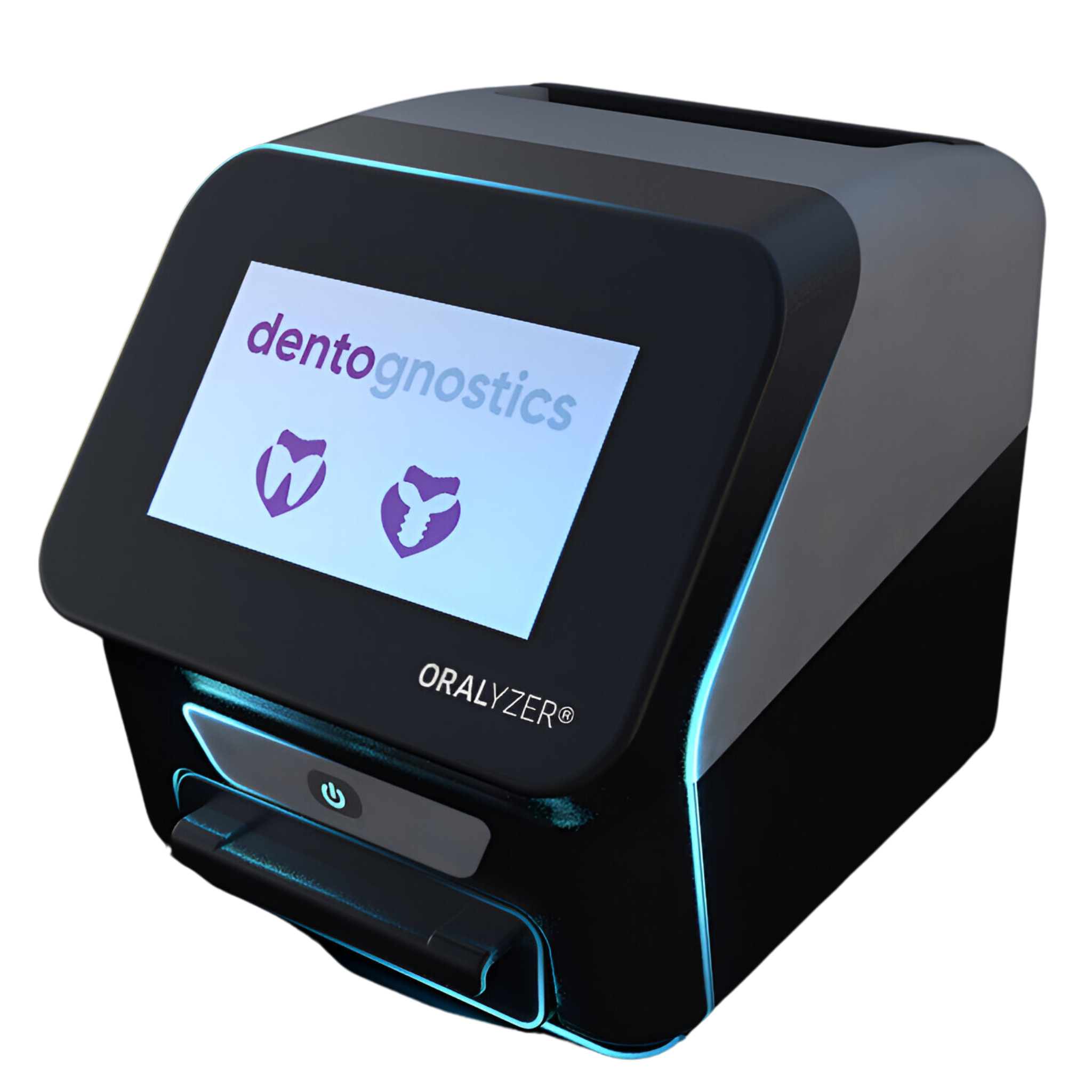
The device — the Dentognostics ORALyzer — is an accessible investment. Contact Dentognostics for current pricing.
Dentognostics ORALyzer — A chairside wellness device that processes aMMP-8 saliva tests and vitamin D tests, producing color-coded results in minutes.
We outlined 9 distinct pathways to positive ROI:
- Direct test revenue — Charge patients for the test as a wellness screening service. Even a modest fee covers consumable costs and generates margin.
- Absorption model — Absorb the cost and use the test as a differentiation and trust-building tool. The downstream case acceptance lift more than covers the investment.
- Hygiene revenue increase — 60–70% of patients accept more frequent visits after seeing their scores. That's a direct hygiene revenue multiplier.
- Case acceptance acceleration — Trust built through objective data cascades to all treatment categories — crowns, implants, full-mouth cases.
- Reduced failure costs — Catching deficiency (vitamin D) and elevated enzyme levels (aMMP-8) before surgical intervention reduces complications and costly redo procedures.
- Referral generation — Patients who experience thorough, technology-enhanced care refer others. The White Clinic patient who came in with vitamin D at 2 generated multiple referrals.
- Staff empowerment — Dental assistants and hygienists running the protocol are more engaged, more skilled, and delivering higher-value care. Some practices tie commissions to screening protocol compliance.
- Practice differentiation — In a market where most practices offer the same experience, chairside molecular screening is a genuine differentiator — in patient perception, in referral conversations, and in marketing.
- Storytelling and content — The screening approach generates compelling patient stories and practice content that fuels marketing across every channel.
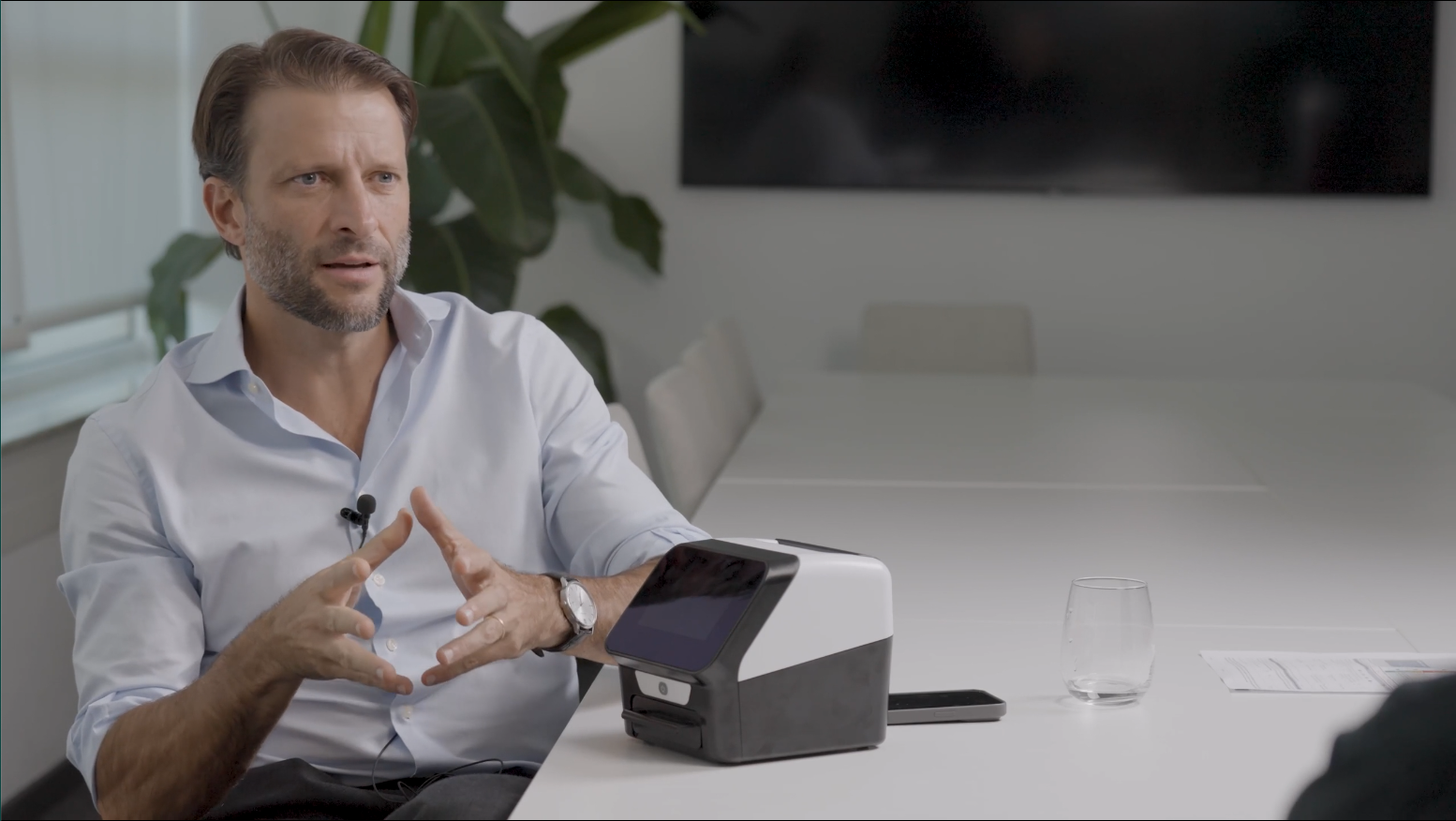
The Dentognostics ORALyzer — a chairside device that produces aMMP-8 and vitamin D results in minutes.
The DSO Signal
Perhaps the most telling indicator comes from the corporate dental world. Large DSOs — organizations that make purchasing decisions based purely on financial analysis — are acquiring this technology.
"Big DSOs that only think about money are buying this machine. There's probably a reason for that."
The Framework
We can summarize the adoption decision through what I call the "lazy, loyal, greedy" framework:
Lazy: is it easy to implement? Yes — the assistant runs it, the workflow is simple, and results are immediate.
Loyal: does it build patient loyalty? Yes — the trust cascade and gamification create long-term engagement.
Greedy: does it make financial sense? Yes — 9 pathways to ROI from an investment that you can monetize from day one.
Buy Sunday, monetize Monday.
Case Study: Implementing Salivary Screening at Dentoral Clinic
Introduction
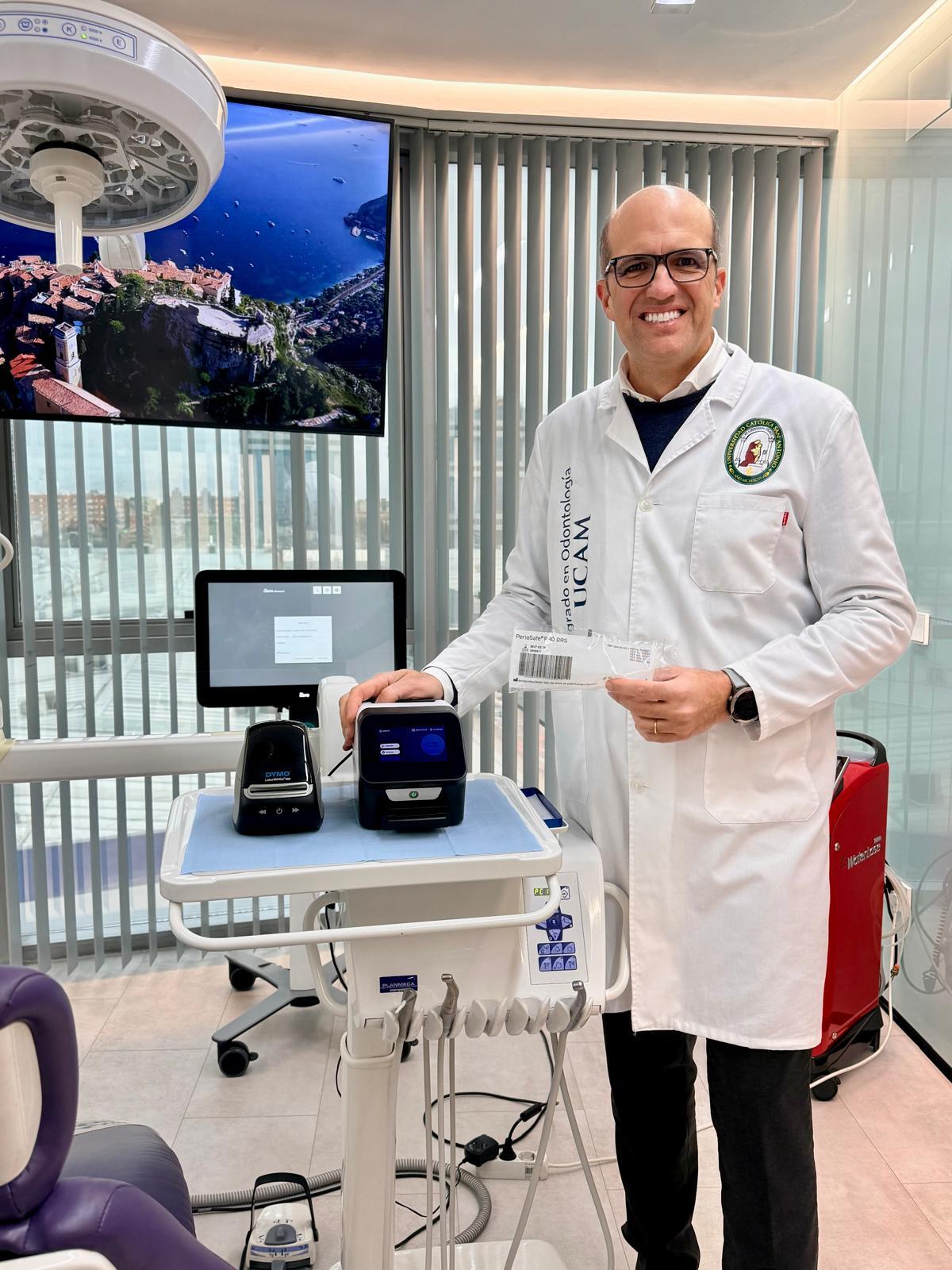
Dr. Jesus Creagh, a veteran with nearly 30 years in the dental field, recently integrated the Dentognostics salivary testing system into his practice, Dentoral Clinic, in Seville. Operating the "first and only machine" of its kind in Spain, Dr. Creagh has spent the last four months transitioning from traditional visual assessments to a quantitative, enzyme-based screening protocol.
Why Invest in Dentognostics Saliva Testing?
For Dr. Creagh, the decision to invest was driven by a desire for clinical differentiation and predictive accuracy. He notes that being an early adopter allows a clinic to stay "eight or ten steps ahead" of the competition.
"First, it's because it's a differentiator. When there's something people don't have, if you're the first to start using it, you're already standing out for something."
Beyond the commercial advantage, the technology addresses a clinical blind spot by measuring the aMMP-8 enzyme. This allows the clinic to determine a patient's risk level—categorized by red, yellow, or green "flags"—and establish the predictability of future treatments.
Integration into Clinical Systematic
In just a few months, Dr. Creagh has performed nearly 100 tests, categorizing his patients into three distinct profiles:
- New Patients: The test is used as a baseline to explain their current oral health status before treatment begins.
- Active Patients: For those already undergoing treatment, the system replaces 25-year-old periodontal protocols with a data-driven approach.
- Maintenance Patients: This group has provided the most surprising results, as visual cleanliness does not always correlate with low enzyme levels.
"We're finding patients coming for maintenance with a completely clean mouth... but after doing the test, we see their levels are through the roof. And the exact opposite: patients with poor oral hygiene... they are the ones with the lowest values."
Patient Reception and Skepticism
While most patients find the "storytelling" of the technology interesting, Dr. Creagh acknowledges a segment of skeptics who view it as a secondary revenue stream. However, he finds that the quantitative data usually overcomes this resistance.
"There are those who say, 'Bah, this is just some story you've made up to get money out of people.' And of course, when you show them the test and they see the numbers afterwards, that's where the story changes."
The Follow-Up Protocol
When a patient presents with high risk—specifically values above 100 ng/ml of the aMMP-8 enzyme—Dr. Creagh moves them into a specialized follow-up program. He stresses that this is not a "simple cleaning" but a rigorous clinical intervention.
- Frequency: Monthly sessions until levels subside.
- Methodology: Use of air polishers to decontaminate up to 4mm below the gingival sulcus.
- Adjunctive Therapy: Laser treatment for further decontamination and biostimulation.
Dr. Creagh reports that after one to three sessions, he typically sees a reduction in enzyme levels between one-half and one-third of the initial value.
Professional Recommendation and Legal Security
Dr. Creagh recommends the system to colleagues not just for clinical excellence, but for legal protection. By documenting high-risk levels, the clinic is protected if a patient ignores maintenance advice and later suffers a relapse or treatment failure.
"If that patient... disappears, and comes back in X years with a problem... we always have legal coverage by having a value and quantitative data... I'll fix it for them, but they'll have to pay and won't be able to claim a warranty."
At nearly 50 years old, Dr. Creagh views this as a "vital" addition to his practice, providing both a medical benefit to the patient and peace of mind for the practitioner.
aMMP-8 Salivary Risk Zones
Dr. Creagh uses the Dentognostics scale to determine the "predictability" of his treatments and the necessary maintenance frequency for each patient.
| Risk Level (Flag) | aMMP-8 Concentration | Clinical Interpretation at Dentoral |
|---|---|---|
| Red Flag | >100 ng/ml | High Risk: Indicates active tissue breakdown; triggers the Follow-Up Protocol. |
| Yellow Flag | Moderate range | Moderate Risk: Used to determine if a patient needs a preventative "shock treatment". |
| Green Flag | Low range | Low Risk: Confirms health and allows for standard maintenance (e.g., every six months). |
The Follow-Up Protocol
When a patient tests in the Red Flag zone (>100 ng/ml), Dr. Creagh implements a targeted follow-up protocol designed to reduce enzyme levels quickly.
- Frequency: Patients return monthly for targeted intervention rather than the standard six-month recall.
- Subgingival Decontamination: The team uses air polishers to clean up to 4mm below the gingival sulcus.
- Laser Therapy: Laser technology is employed to decontaminate and biostimulate the tissue.
- Validation Testing: A "second test" is performed after one to three sessions to verify the reduction in enzyme levels.
- Expected Results: Successful application of this protocol typically results in a reduction of the initial value by one-half to one-third.
Professional Insight
Dr. Creagh emphasizes that this data is critical for patients who appear visually clean but remain at high biological risk. He notes that relying purely on visual inspection (looking for tartar) often leads to clinical errors.
"We're finding patients coming for maintenance with a completely clean mouth... zero tartar buildup, but after doing the test, we see their levels are through the roof."
Frequently Asked Questions
What is aMMP-8 and why is it important in dentistry?
aMMP-8 (active matrix metalloproteinase-8) is an enzyme released by the immune system that breaks down the collagen matrix holding oral tissues together. A chairside saliva test measures aMMP-8 levels and returns a color-coded score indicating whether active tissue degradation is occurring — information that clinical probing and X-rays alone cannot provide.
How long does a chairside saliva test take?
The complete testing process — including both the aMMP-8 oral fitness test and the vitamin D test — takes under 5 minutes and is performed by a dental assistant before the doctor enters the room.
How much does the Dentognostics ORALyzer cost?
Contact Dentognostics for current pricing on the ORALyzer device and test consumables. For comparison, a CBCT machine costs approximately $250,000 — the ORALyzer is a fraction of that investment.
Why does vitamin D matter for dental implants?
Vitamin D is a master biomodulator for bone remodeling that governs whether bone grafts integrate, implants osseointegrate, and extraction sites heal properly. With 45% of Europeans vitamin D deficient, testing before surgical procedures can identify and address a significant modifiable risk factor.
Can bleeding gums tell you everything about periodontal health?
Bleeding is not a reliable standalone indicator of periodontal tissue health. Research shows you can have bleeding with low tissue degradation and no bleeding with high active tissue degradation. aMMP-8 testing provides the molecular data needed to distinguish between these scenarios.
Does the dentist need to run the saliva test?
The saliva test is designed to be run by a dental assistant as part of the standard intake workflow. The doctor receives the results — a color-coded printout with aMMP-8 and vitamin D levels — before entering the room for the consultation.
What is the ROI on chairside saliva testing equipment?
There are 9 distinct pathways to positive ROI, including direct test revenue, increased hygiene visit frequency (60–70% of patients accept more frequent visits after seeing their scores), improved case acceptance across all treatment categories, reduced failure costs, and referral generation.
Continue Learning
The Clinical Gap Is Closing. The Question Is Whether You're Closing It.
Six lessons. Three days. One shift in how you practice. Watch Christian Coachman, Dr. Miguel Stanley, and Michael Lazzara walk you through it. It's unscripted, practical, and immediately actionable.
Start the Free Mini-Class →